While our tableware is being hand-painted in Italy…
We’re sharing the dishes, stories, and traditions that gather people around the table.
Links to our stories.
While modern schedules have changed many habits, the rhythm of the Sunday table remains remarkably intact. It is still the moment when the whole family returns home.
Anything truly artisanal in Italy takes time. Skills are handed down. Movements are repeated until they become instinct. Kilns are loaded the way they were decades ago. Nothing meaningful is rushed.
Hand-painted ceramics, especially maiolica, have always been produced in small runs. Patterns evolve, colors shift, and no two artisans paint exactly the same way. Over generations, families simply gather what’s available — and what they love. The result is a collection that looks eclectic, but also feels authentic to the craft.
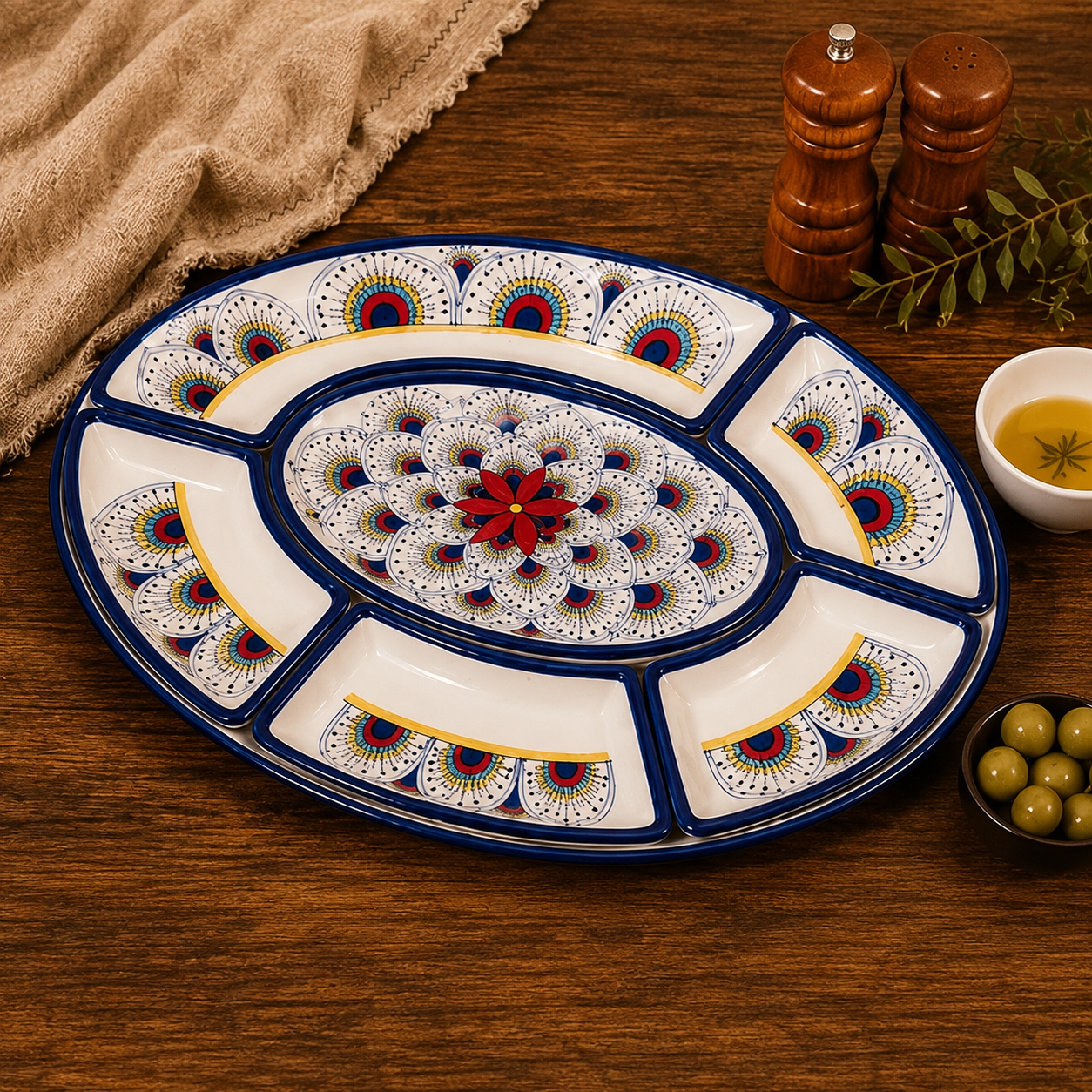
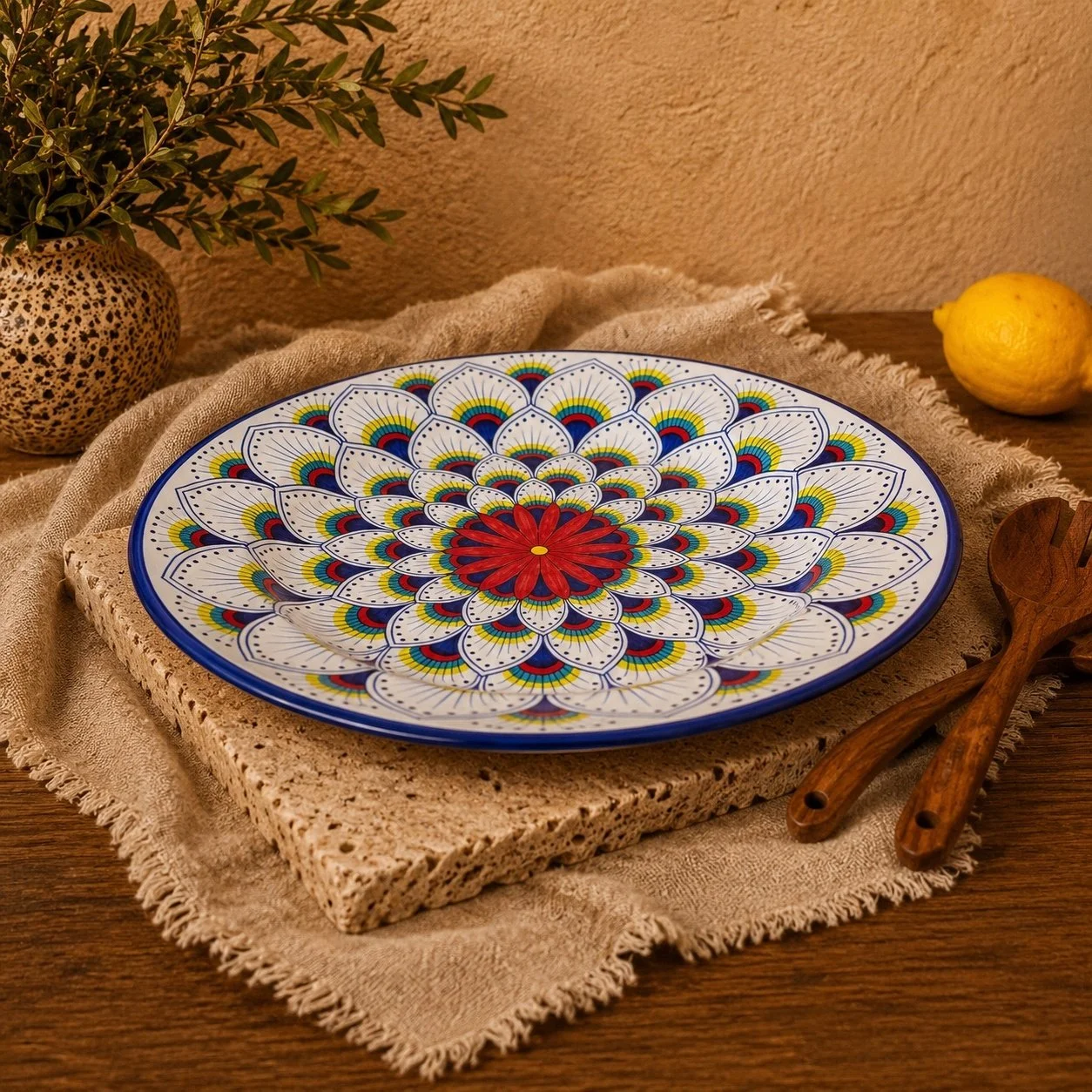
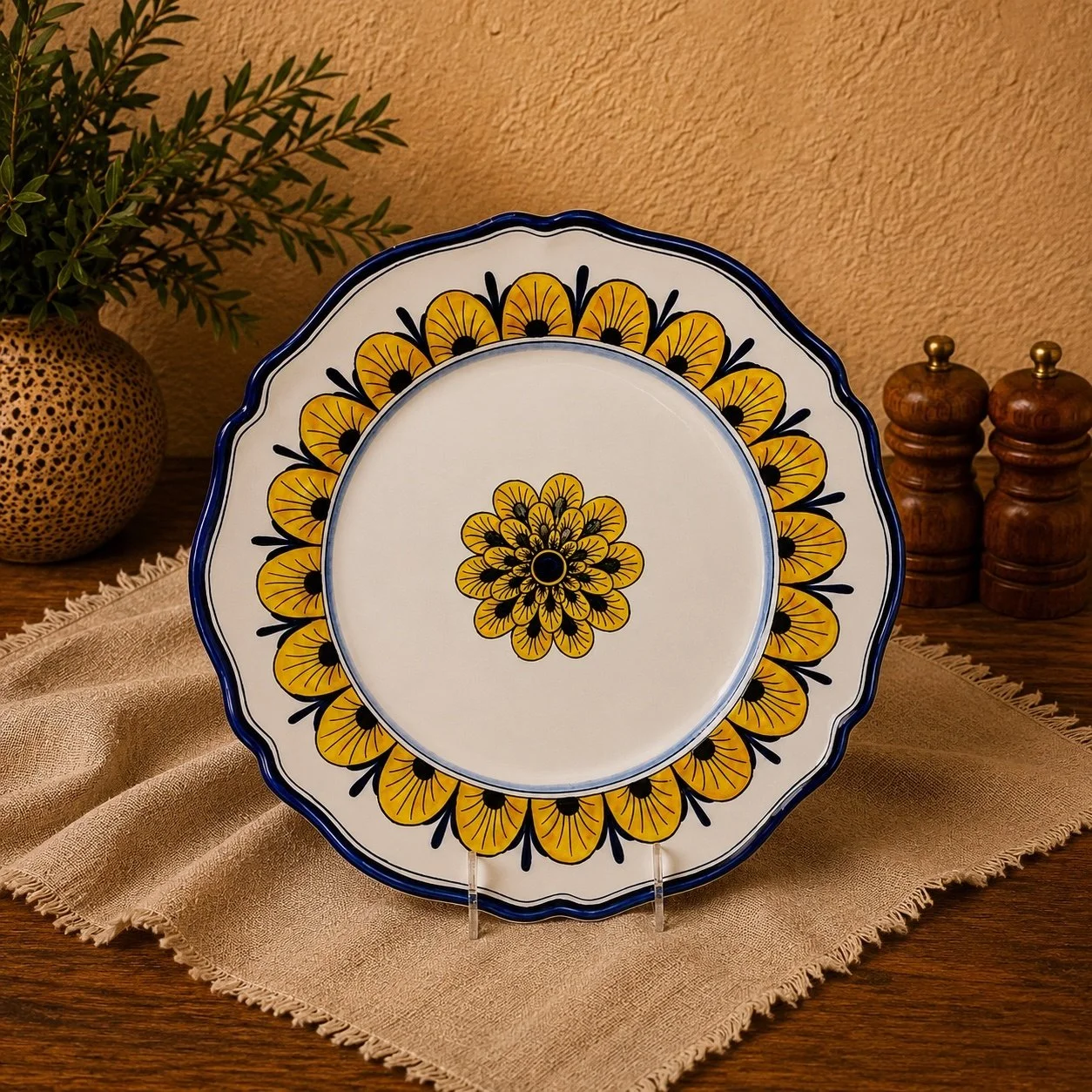
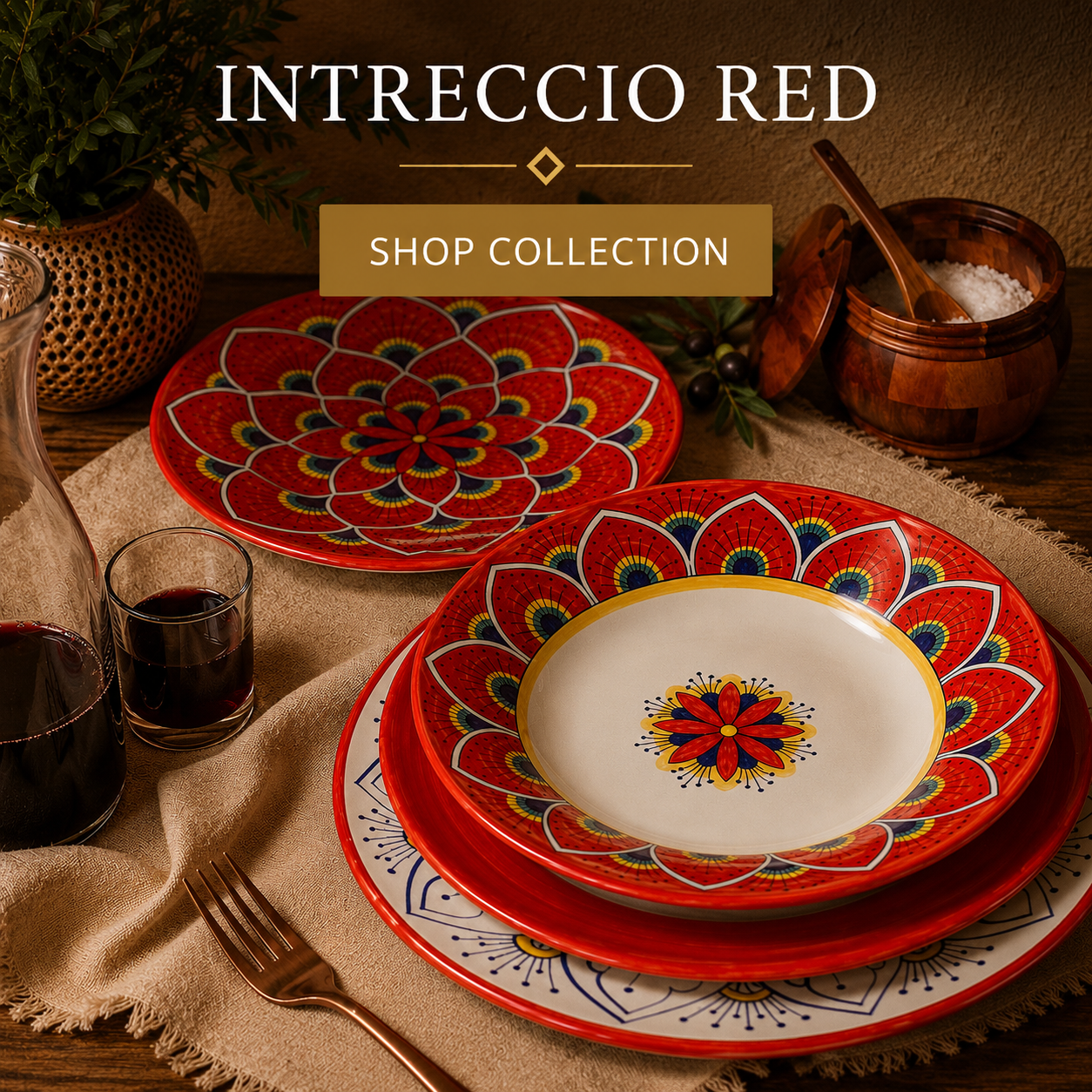
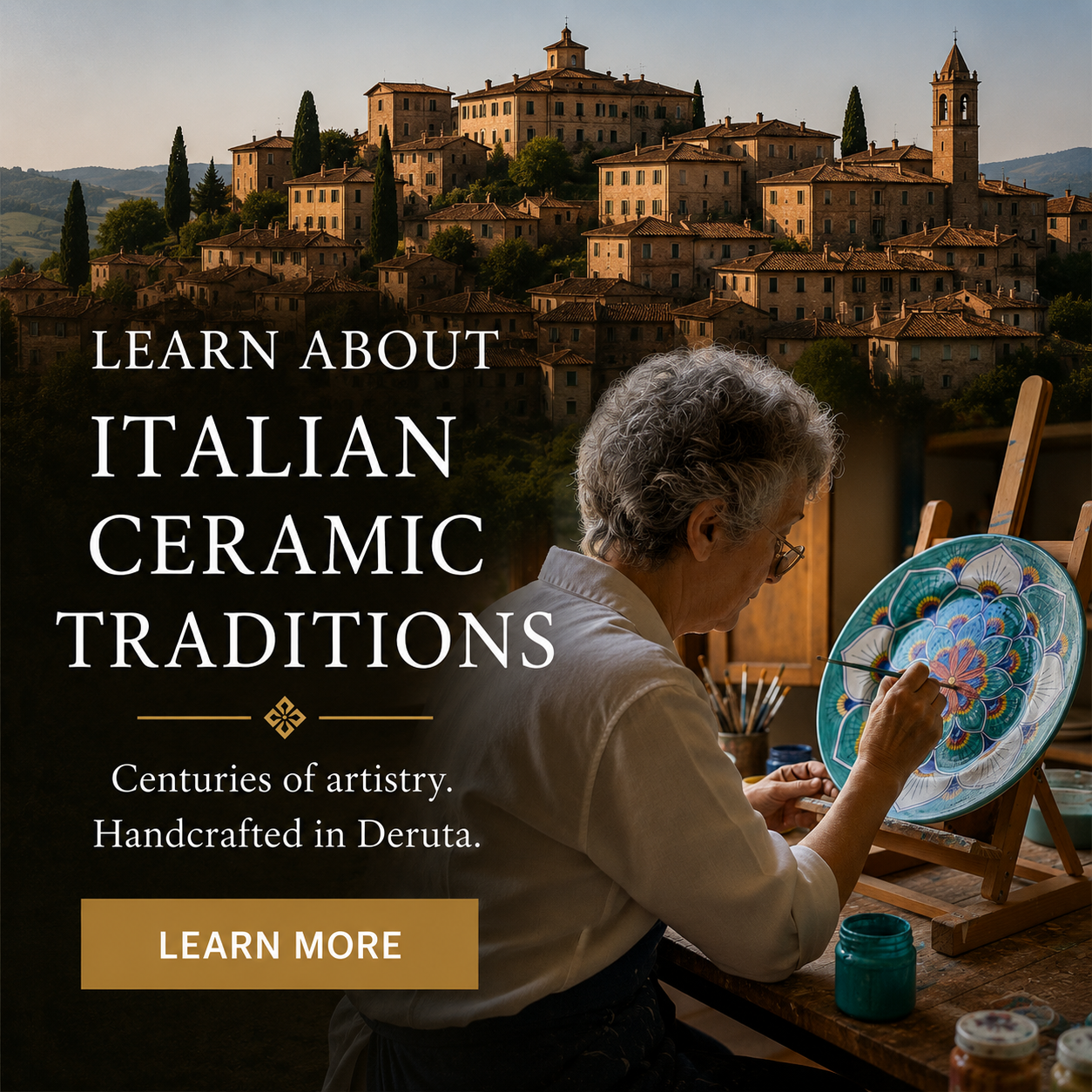
Every feather is painted freehand, one by one, with no stencils or shortcuts. The artisan must maintain rhythm and spacing across the entire surface, while also allowing for the small variations that give each piece its character. It’s a test of precision and patience.
Artisans still sit at the wheel, hands caked in wet clay, shaping forms in the same way their ancestors did. The glaze room still smells faintly of minerals, the brushes still line up in jars waiting to lay down strokes of cobalt and ochre. Some artisans preserve centuries-old patterns exactly as they were.
Keep an eye out for new posts as we add more recipes to your table
〰️
Keep an eye out for new posts as we add more recipes to your table 〰️
Links to our recipes.
I Primi (Pasta and Soup)
Few dishes feel more like a full Italian table than a bowl of freshly made gnocchi. Soft, pillowy, and delicate, they sit somewhere between pasta and dumpling. Traditionally made with potatoes, flour, and egg, gnocchi come together quickly and are meant to carry whatever sauce follows—whether a slow Sunday ragù or something as simple as butter and Parmesan.
Once your table is set, this is the kind of dish that fills it.
Polenta is one of Italy’s great comfort foods—simple cornmeal slowly cooked with broth until it becomes creamy, rich, and deeply satisfying. In northern Italy it is often served alongside braised meats like osso buco, hunter’s chicken, or slow-cooked beef.
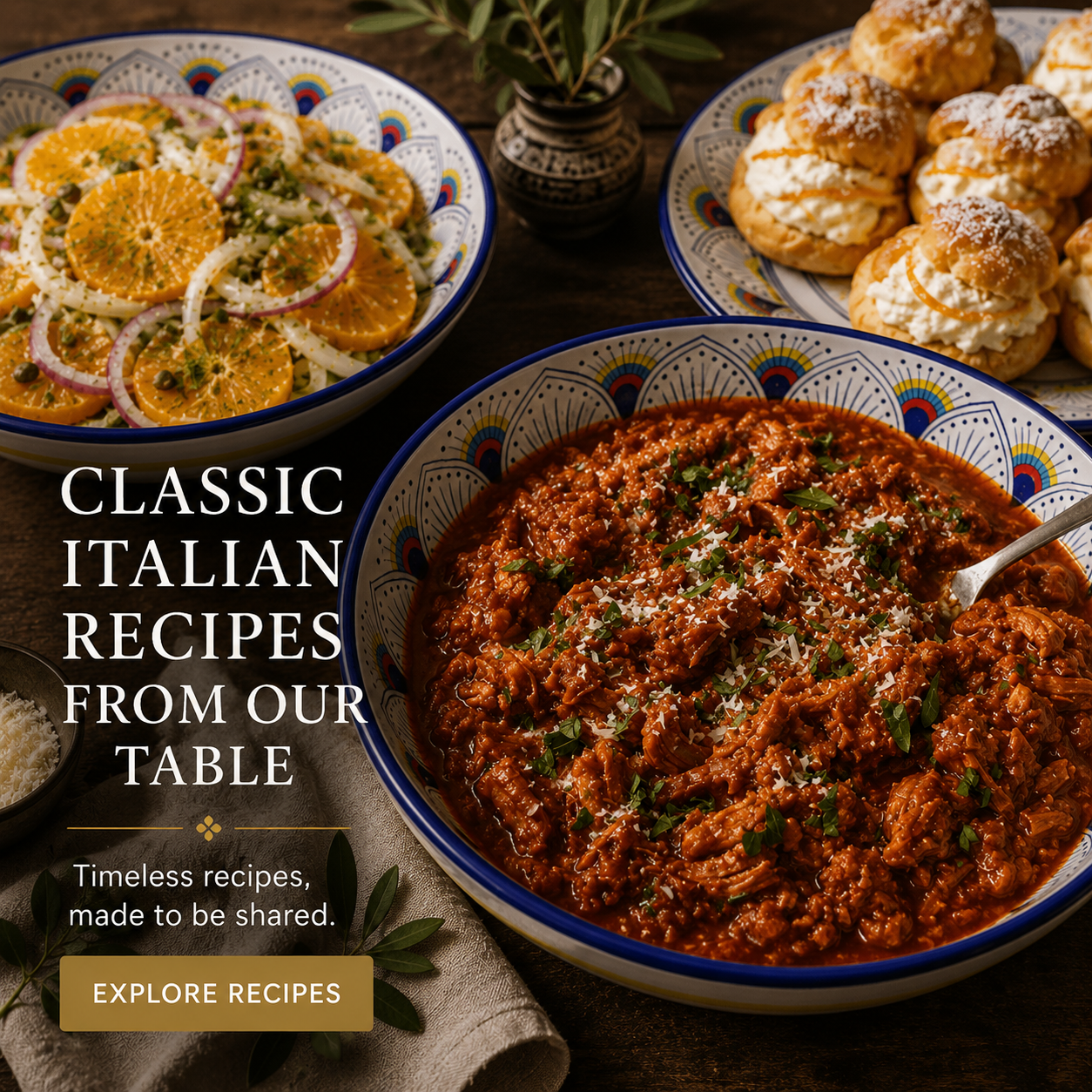
Few dishes say “Sunday at the Italian table” quite like a slow-simmered pork ragù. The sauce cooks gently for hours, filling the kitchen with the aroma of tomatoes, wine, and tender pork slowly breaking down into the sauce. It’s the kind of meal that brings people to the table before you even call them.
I Secondi (Main Dishes)
A classic Italian preparation where the fish is roasted whole with citrus, herbs, and olive oil. The method is simple and traditional—letting the natural flavor of the fish do most of the work.
Porchetta is one of Italy’s most iconic pork dishes. Pork is rolled with garlic, fennel, rosemary, and citrus, then roasted until the exterior becomes deeply crisp and aromatic.
Pollo alla cacciatora, or hunter’s chicken, is a rustic Italian braise of chicken, tomatoes, wine, and herbs—simple ingredients simmered together into the kind of hearty meal meant for long evenings around the table.
Traditional osso buco slowly braised with white wine, vegetables, and tomatoes, finished with fresh gremolata. A classic Milanese dish perfect for serving family-style.
Ribollita is one of the great dishes of rural Tuscany. Its name literally means “reboiled,” a reflection of how the dish is traditionally prepared. The soup begins as a brothy vegetable and bean soup served on the first day, often ladled over toasted bread in each bowl. The next day it is reheated and more bread is added directly to the pot, transforming the soup into the thick, rustic dish that gives ribollita its distinctive character.
In that way, ribollita is really two meals in one. The first day it is a hearty but brothy soup, perfect for soaking up with good bread. By the second day, the bread has absorbed the broth and the soup becomes richer and thicker, almost like a stew. It’s a practical and delicious example of how Italian cooking often turns yesterday’s meal into something even better the next day.