
15 Essential Kitchen Tools Every Home Cook Should Own
Part 2
One of the best things about spending years in the kitchen is discovering the little tools that quietly make cooking better. They’re not always the first things people buy, and they certainly aren’t the flashiest gadgets. In fact, a few of them look so ordinary that you’d never guess how often they get used.
Every one of these tools has earned permanent residency in my kitchen. They save time, improve consistency, and occasionally save me from ruining dinner. They’re the kind of purchases you don’t fully appreciate until you’ve cooked with them a few times. Then you start wondering how you ever managed without them.
6. Immersion Blender
There are very few single-purpose kitchen gadgets that have earned permanent residency in my kitchen. An immersion blender is one of them. It takes up almost no space, yet I reach for it far more often than many of the larger appliances sitting on my countertop.
Its biggest advantage is convenience. When I want to smooth out a tomato sauce or purée a soup, I can blend everything right in the pot. There’s no transferring hot liquids into a countertop blender, no extra dishes to wash, and no worrying about hot soup decorating your ceiling. I can decide exactly how smooth I want the finished product with just a few quick pulses, whether I’m looking for a silky purée or something with a little rustic texture.
My immersion blender has also become one of my secret weapons in the battle against picky eaters. One of my children has never been a fan of beans, so whenever I make a soup with cannellini or other white beans, I blend them before adding them to the pot. They disappear completely, leaving behind a rich, velvety texture without anyone being the wiser. Another child insisted for years that she didn’t like squash. My solution was a soup made with carrots, sweet potatoes, butternut squash, and red lentils. Once everything is tender, I blend it until silky smooth before finishing it with curry powder, coriander, a tiny pinch of clove, and a splash of heavy cream. She loves that soup to this day, even though butternut squash has been hiding in plain sight all along. Sometimes winning the battle against picky eaters is simply knowing when not to announce every ingredient.
One final tip before you buy one. I’m fortunate to have electrical outlets all over my kitchen, especially near my prep areas, so I’ve never felt the need for a cordless immersion blender. If your kitchen is set up the same way, I’d save your money and buy a corded model. In my experience, they’re more reliable, more powerful, and tend to last longer. If you don’t have convenient outlets where you prep and cook, then a cordless model may be the right choice—but I’d stick with a reputable brand that offers a solid warranty.
My Recommendations
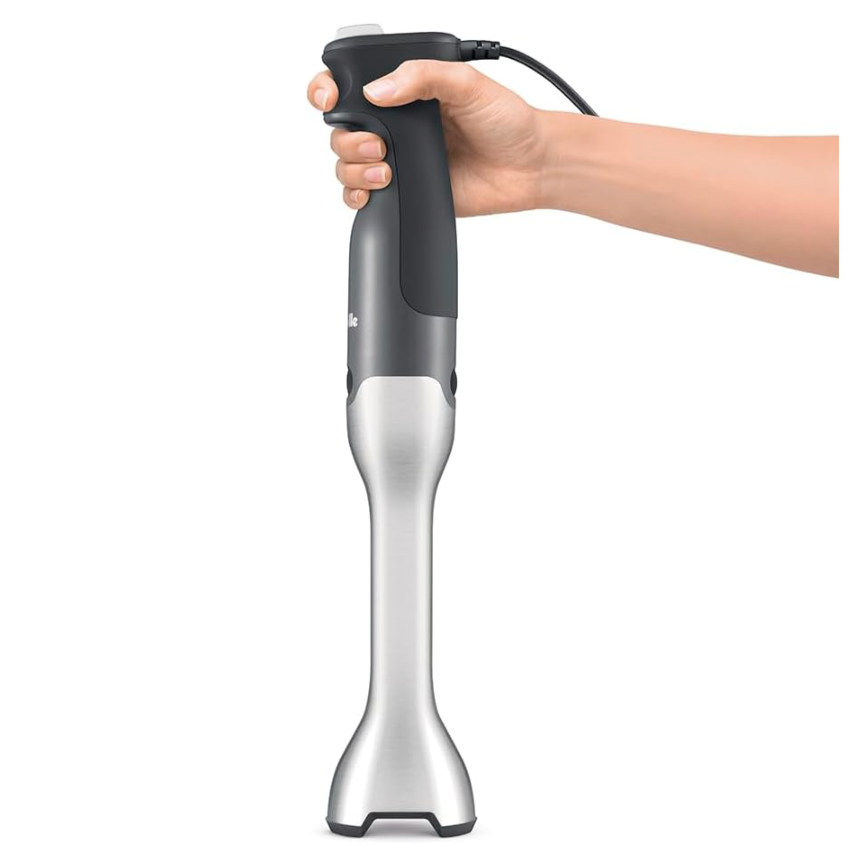
I’ve been using a Breville immersion blender for years, and it has never given me a reason to look elsewhere. It’s powerful, comfortable to hold, and has handled everything from tomato sauce to hearty vegetable soups without missing a beat.
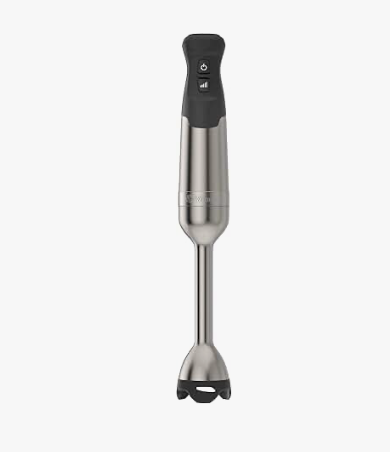
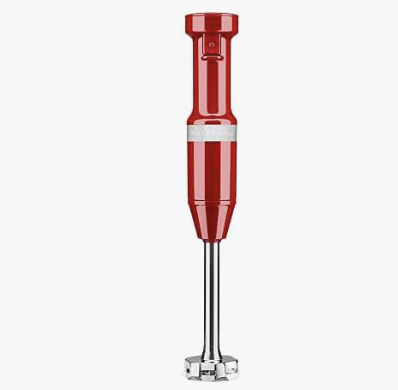
KitchenAid also makes an excellent immersion blender that’s dependable, well built, and a great choice for most home cooks. If you’re looking for premium performance, Vitamix brings the same engineering and quality that made its countertop blenders legendary into a handheld immersion blender.
Whatever brand you choose, look for a stainless steel blending shaft, variable speed control, and enough power to handle thick soups and sauces. It’s one of those kitchen tools that quietly earns its place every time you cook.
7. Pasta Pot with Built-In Strainer
Cooking great pasta isn’t difficult, but it is all about timing. You spend time making a beautiful sauce, carefully watch the pasta until it’s perfectly al dente, and then everything has to come together quickly.
That’s why I love a pasta pot with a lift-out strainer basket.
For years I used a traditional stockpot and a separate colander. It worked perfectly well, but there was always one extra step that got in the way. If I wanted to save some of the pasta water—and you absolutely should—I first had to find a ladle, scoop out a cup or two, and then carry the pot to the sink to drain it. It doesn’t sound like much, but those few extra seconds can be the difference between perfectly al dente pasta and overcooked mush.
With a lift-out strainer basket, that problem disappears. As soon as the pasta is ready, I simply lift the basket and let the water drain right back into the pot. The starchy pasta water is sitting there waiting for me whenever I need it, and I can transfer the pasta directly into the sauce while it’s still at its absolute best.
That pasta water is liquid gold. A splash or two helps emulsify the sauce, allowing it to cling to every strand of pasta instead of pooling at the bottom of the bowl. It’s one of the simplest techniques in Italian cooking, but one of the most important.
One last piece of advice: don’t buy too small a pot. In my opinion, 6 quarts simply isn’t enough unless you’re only cooking for one or two people. I much prefer a 12-quart pasta pot because it gives the pasta plenty of room to move and easily handles two pounds of pasta when you’re feeding a crowd. An 8-quart pot is a reasonable compromise if storage space is limited, but if you have the room, I’d go with the larger pot. I’ve never heard anyone say, “I wish my pasta pot were smaller.”
My Recommendations
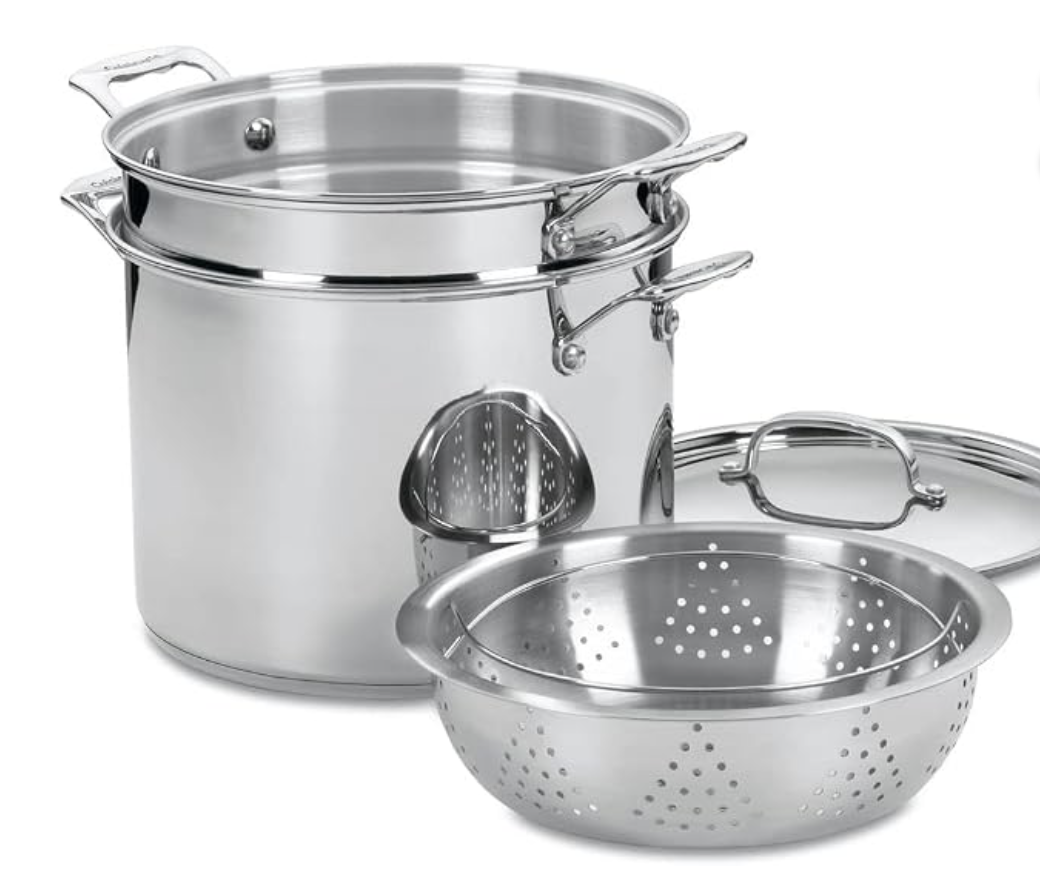
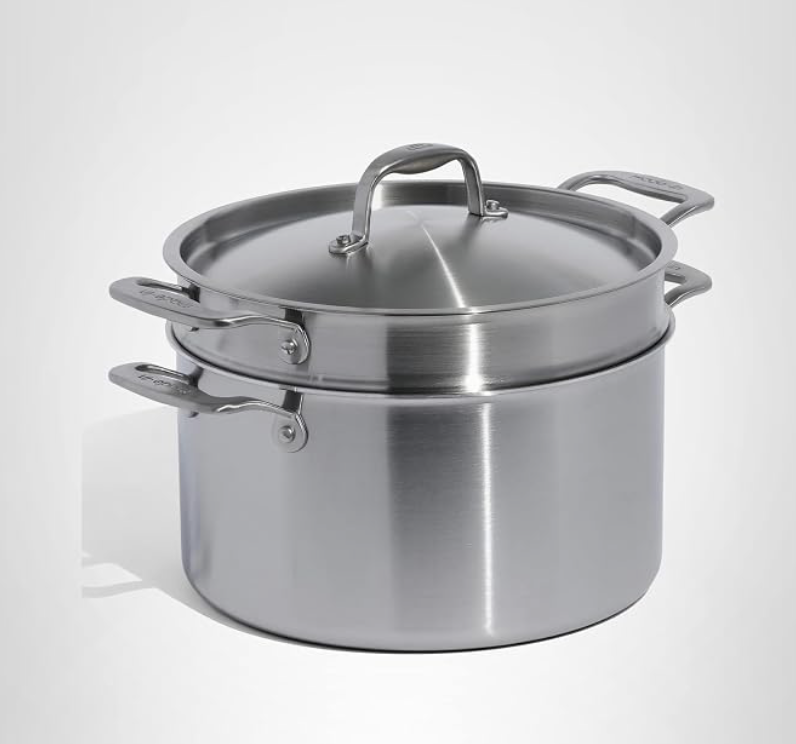
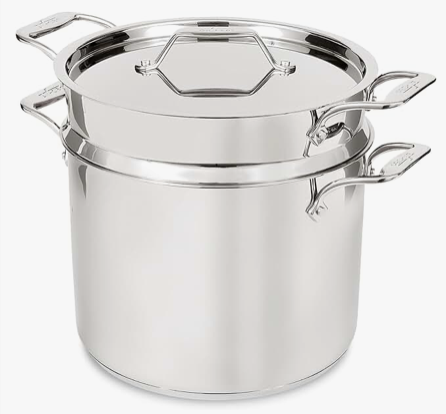
I’ve been cooking with the Cuisinart Chef’s Classic 12-Quart Pasta/Steamer Set for years, and I think it offers one of the best balances between price and performance. The stainless steel construction has held up beautifully, the insert is sturdy, and with a little fine steel wool every now and then, it still cleans up remarkably well.
If handcrafted Italian cookware speaks to you and it’s within your budget, take a look at the Made In 8-Quart Pasta Pot, crafted in Italy. You’ll certainly pay more for that Italian craftsmanship, but for many people, owning cookware made by skilled Italian artisans is part of the joy of cooking. While I personally prefer a 12-quart pot, it’s a beautifully made piece that should provide decades of service.
If you’re looking for premium performance without specifically seeking Italian-made cookware, All-Clad’s 12-Quart Stockpot with Pasta Insert is an outstanding choice. It’s exceptionally well built, generously sized, and the kind of cookware that can easily last a lifetime.
8. Instant-Read Thermometer
For years I thought instant-read thermometers were something you only needed for grilling steaks or smoking brisket. I couldn’t have been more wrong. Today, it’s one of the most valuable tools in my kitchen because it takes the guesswork out of cooking.
Chicken is the perfect example. We’ve all sliced into a chicken breast wondering if it’s actually done, only to discover it’s either still undercooked or so overdone it could pass for sawdust. An instant-read thermometer removes the uncertainty. In less than a second, you know exactly where you stand.
I also use mine for much more than meat. It’s indispensable when checking the temperature of frying oil, homemade caramel, bread, custards, and one place that surprises almost everyone—cakes.
Forget the toothpick test.
Most cakes are perfectly baked when their internal temperature reaches 195–200°F. A quick temperature check tells you exactly when they’re done, eliminating the guesswork and helping prevent dry, overbaked cakes. Once you start baking this way, you’ll probably never reach for a toothpick again.
If there’s one piece of cooking advice I’d like every new cook to remember, it’s this:
Cook to temperature, not to time.
Every oven is different. Every roast is a different shape. Every chicken breast is a different thickness. Recipes can estimate how long something should take, but a thermometer tells you when it’s actually done.
My Recommendation
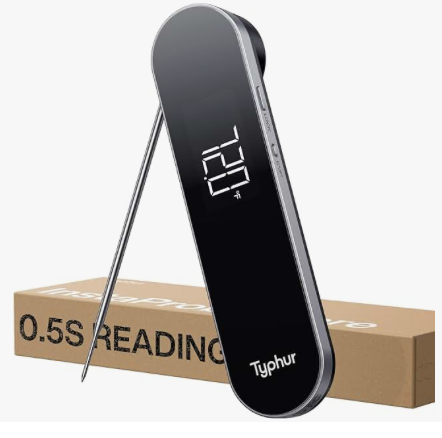
I’ve owned Bluetooth thermometers, leave-in probes, inexpensive instant-read models, and just about every gadget in between. I always seem to come back to one: the Typhur InstaProbe Core.
It’s unbelievably fast, delivering an accurate reading in about half a second. That means less time standing over a hot grill, reaching into a blazing oven, or letting heat escape every time you check your food. It’s waterproof, exceptionally accurate, and simply works every single time.
I’ve learned over the years that buying several inexpensive thermometers usually ends up costing more than buying one exceptional one. If you’re only going to own one instant-read thermometer, this is the one I’d recommend without hesitation.
9. Silicone Pot Holders
Not every essential kitchen tool has to be expensive or exciting. Sometimes it’s the little things that quietly make cooking safer and more enjoyable. For me, silicone pot holders fall squarely into that category.
For years I relied on cloth oven mitts and folded kitchen towels. They worked well enough until they got wet. If you’ve never grabbed a hot pan with a damp towel, consider yourself fortunate. Moisture transfers heat incredibly well, and what felt perfectly safe a second ago can suddenly become a painful lesson.
Silicone solved that problem for me. It provides an excellent grip, doesn’t absorb water, and wipes clean in seconds. Tomato sauce, olive oil, or whatever else I manage to spill in the kitchen simply rinses away. They also take up very little space, so I keep mine hanging within easy reach instead of buried in a drawer.
I still own a traditional oven mitt, and there are times when it’s the better choice, especially for reaching deep into a hot oven. But for grabbing the handle of a Dutch oven, lifting a hot lid, or carrying a roasting pan to the table, I almost always reach for my silicone pot holders first.
My Recommendations
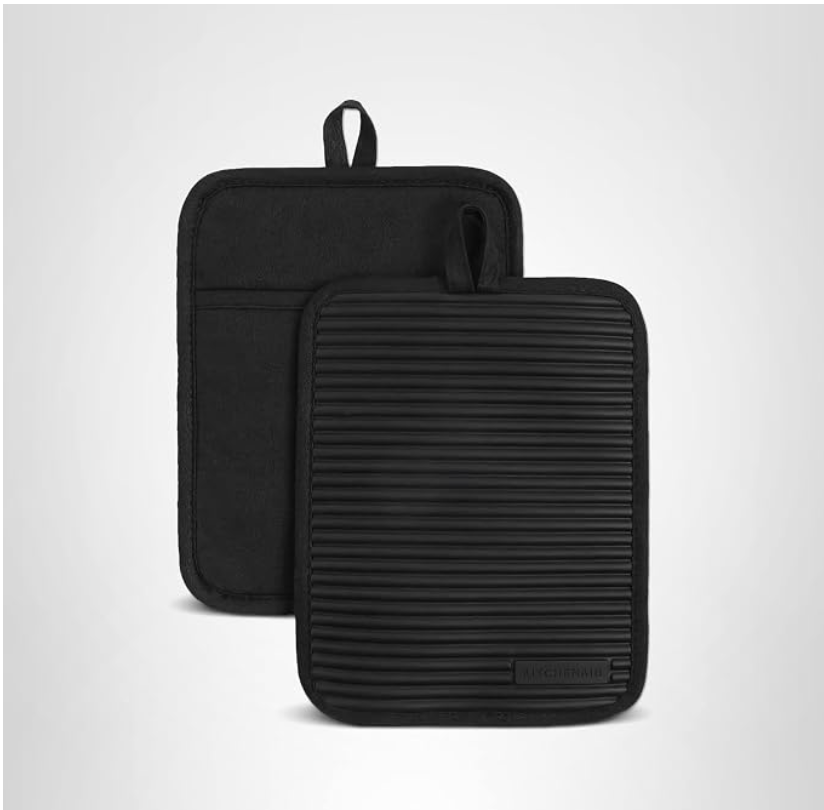
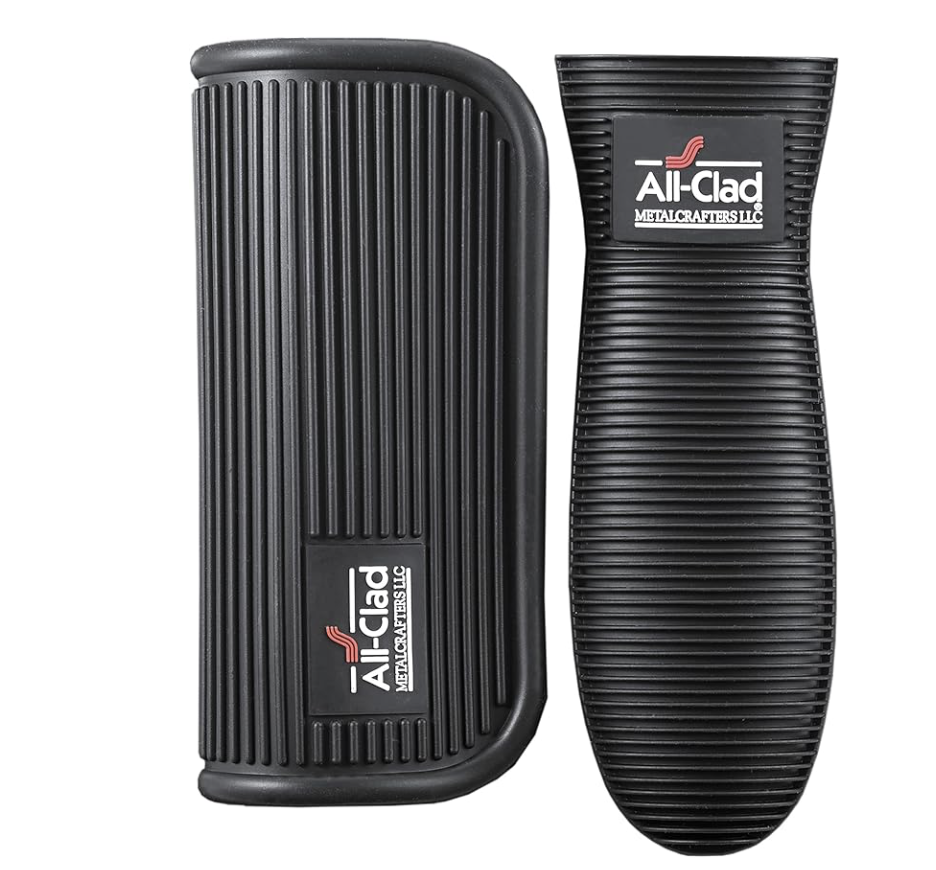
I’ve been using the KitchenAid Ribbed Soft Silicone Pot Holders for years, and they’ve held up extremely well. They’re comfortable, provide a secure grip, and have become one of those inexpensive kitchen purchases I use almost every day.
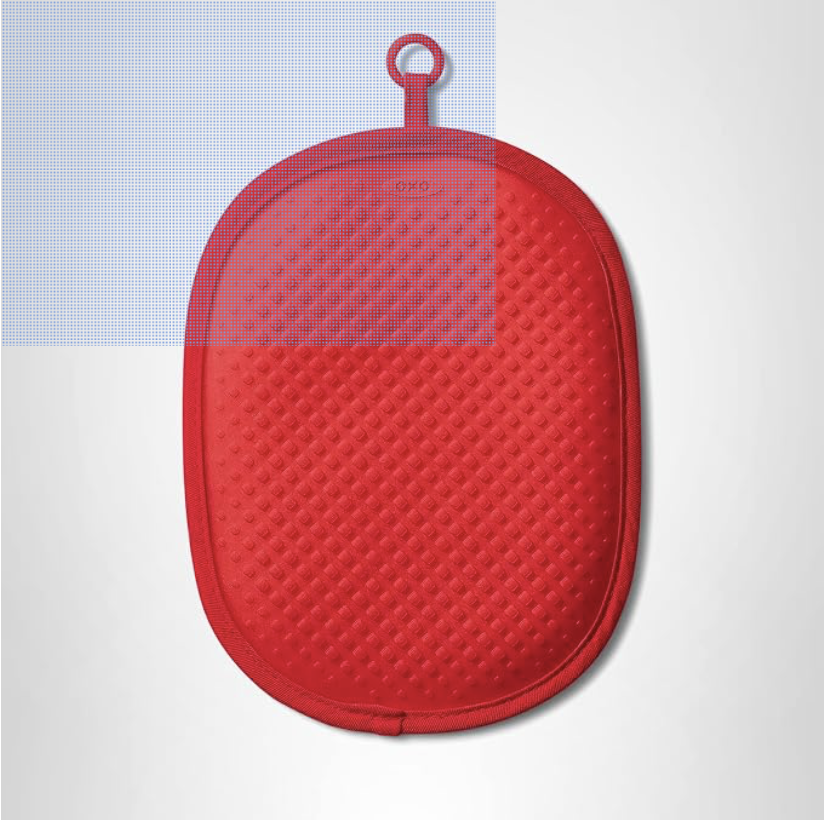
If you’re looking for a premium option, the All-Clad Silicone Grip Set is exceptionally well made and built to withstand years of heavy use. OXO Good Grips Silicone Pot Holders are another excellent choice and have earned a reputation for comfort and durability.
Whatever brand you choose, look for food-grade silicone with a textured surface for a secure grip. Sometimes the best upgrades in a kitchen aren’t the expensive ones—they’re the simple tools that quietly make cooking safer, easier, and a little more enjoyable every single day.
10. Cutting Board
A good chef’s knife deserves a good cutting board. One of the quickest ways to dull even the finest blade is by cutting on glass, marble, granite, or ceramic. They may look beautiful, but they’re unforgiving on a knife’s edge.
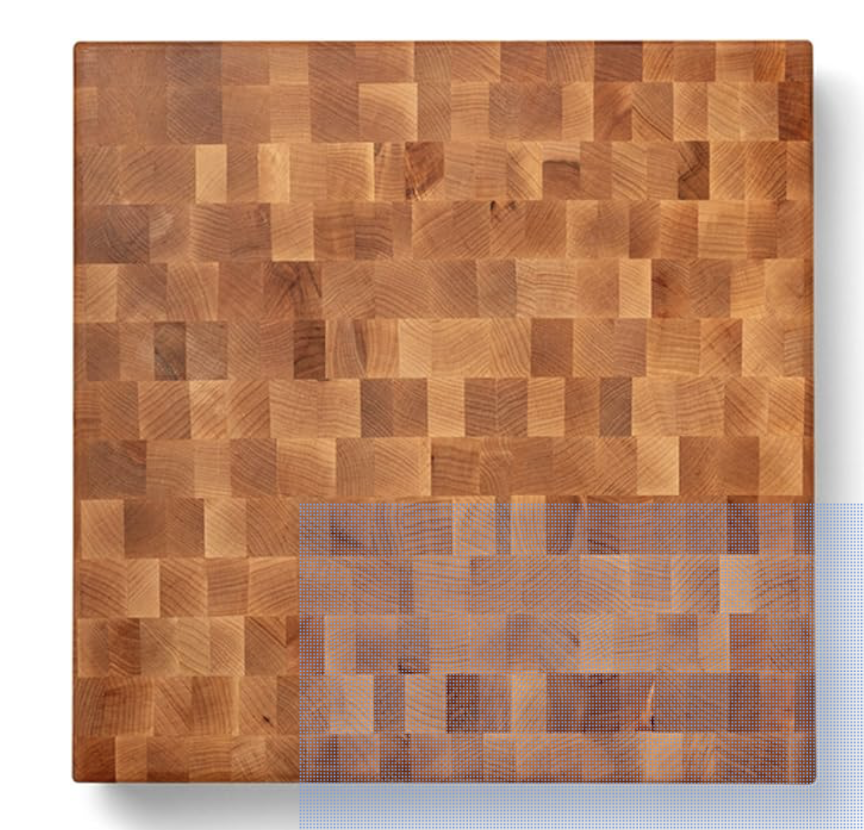
For years, I’ve been a huge fan of end-grain butcher block cutting boards. The way they’re constructed allows the wood fibers to separate slightly under the knife and then close back together, making them easier on your blades while also helping the board resist deep cut marks. They’re incredibly durable, beautiful enough to leave on your countertop, and with proper care, they’ll last for decades.
There is, however, one thing I hadn’t considered when I was younger.
They’re heavy.
As I’ve gotten older, I’m not going to lie—it has become less enjoyable carrying a large butcher block to the sink, washing it by hand, drying it, oiling it every so often, and putting it back where it belongs. It’s still my favorite type of cutting board, but I’ve found myself reaching for something lighter more often than I expected.
That brings me to one of my favorite Father’s Day gifts.
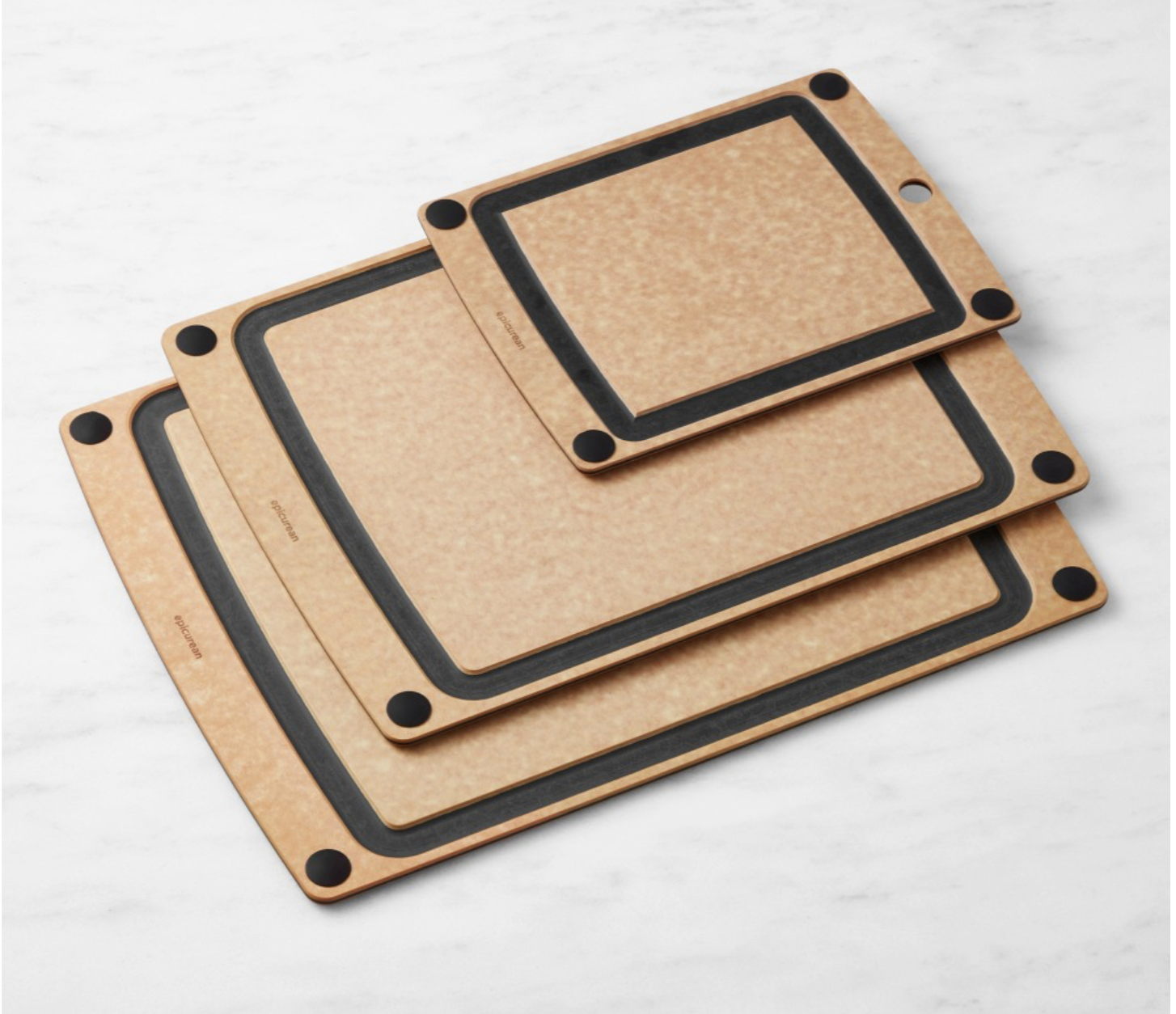
My wife recently gave me a set of Epicurean cutting boards, made from a sustainably harvested, high-density wood fiber material. They’re incredibly thin, surprisingly light, gentle on my knives, dishwasher safe, and require virtually no maintenance. To be completely transparent, they had a bit of an unusual smell after the first wash, which admittedly made me a little nervous. Fortunately, after a couple more washes the smell disappeared completely and hasn’t returned. Today they’re the boards I reach for most often when I’m chopping vegetables or preparing everyday meals.
Sometimes the best kitchen tool isn’t the fanciest one. It’s the one you actually use.
My Recommendations
If you’re looking for a cutting board that could easily become a family heirloom, it’s hard to beat an end-grain John Boos board. They’re beautifully crafted, exceptionally durable, and every serious home cook should own one at some point.
For everyday use, however, I’ve become a big fan of Epicurean cutting boards. They’re lightweight, dishwasher safe, easy on knives, and so convenient that I find myself reaching for them almost every day. Williams Sonoma carries an excellent three-piece set that’s become one of my favorite additions to the kitchen.
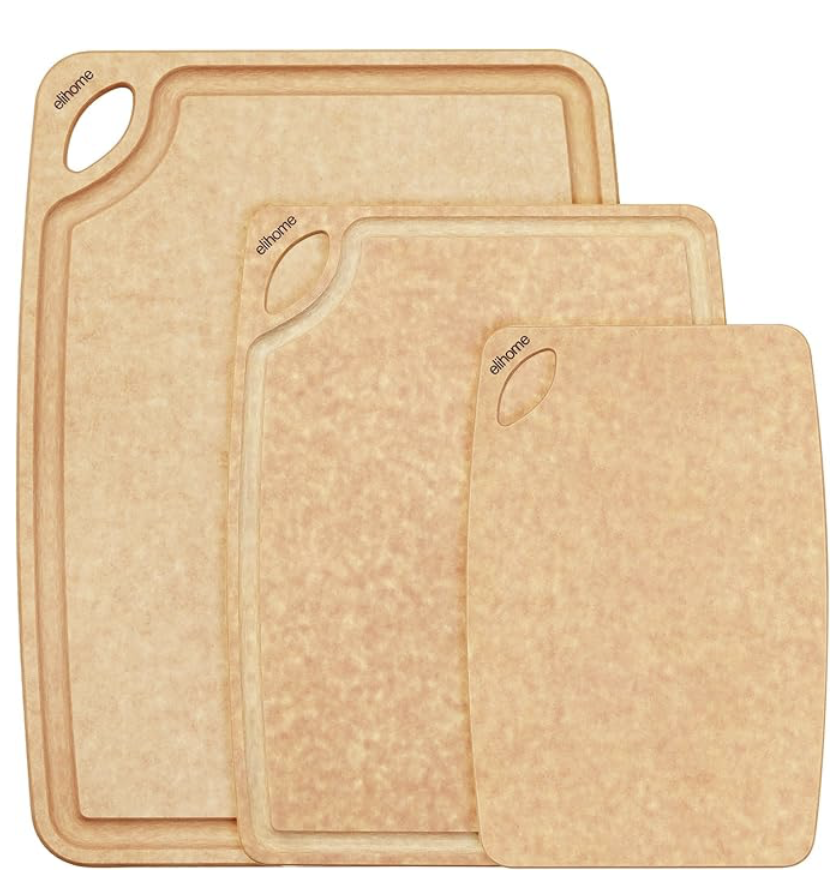
If you’re shopping on Amazon, you’ll also find several boards made from similar wood-fiber materials that perform very much like the Epicurean. Many are less expensive, although some only include rubber grips on one side instead of both.
Whatever cutting board you choose, my advice is simple: buy the one you’ll actually enjoy using. The best cutting board isn’t necessarily the heaviest or the most expensive—it’s the one that earns a permanent place on your countertop.
Whether it’s a lightweight cutting board, a reliable thermometer, or a pasta pot that’s been making perfect dinners for years, these are the tools that quietly earn their place in a kitchen. They may not be the flashiest gadgets on the market, but they’re the ones I reach for week after week because they simply make cooking easier, more enjoyable, and, ultimately, more rewarding.
In the final installment of this series, we’ll look at five more tools that help take home cooking to the next level. We’ll talk about the simple pieces of equipment that have elevated my bread baking, transformed my desserts, and helped me put the finishing touches on meals shared with family and friends. Until then, buon appetito, and remember—good food has never been about owning the most expensive kitchen. It’s about using the right tools to bring the people you love together around the table.