
15 Essential Kitchen Tools Every Home Cook Should Own
First part in a multi-part series
Walk into most Italian kitchens and you won’t find drawers overflowing with trendy gadgets or single-purpose appliances. Instead, you’ll find a collection of well-used tools that have earned their place over decades of family meals. They’re the trusted workhorses that come out week after week, whether it’s for a simple Tuesday night pasta or an elaborate Sunday dinner with family gathered around the table.
I should probably confess something before we go any further.
My own kitchen looks nothing like that.
Every cabinet is packed to the brim with gadgets I’ve accumulated over the years. Some seemed like brilliant ideas when I bought them. Others were gifts that I couldn’t wait to try. A few have been used exactly once, and I’m fairly certain there are one or two hiding in the back of a cabinet that have never seen daylight. If there were an Olympic event for buying kitchen gadgets with the best of intentions, I’d at least qualify for the finals.
But mixed in among all those impulse purchases are fifteen tools that have truly earned permanent residency in my kitchen. These aren’t the flashy gadgets that promise to change your life. They’re the dependable tools I reach for week after week because they simply work. They’ve helped me make countless pots of Sunday tomato sauce, bake rustic loaves of bread, prepare holiday feasts, and share more family dinners than I can remember.
As you’ll discover, this isn’t just a list of kitchen equipment. It’s a collection of stories. Some involve family traditions. A few involve childhood mishaps that left permanent scars—literally. Others are little lessons I’ve learned over years of cooking that I wish someone had taught me sooner. Along the way, I’ll share the brands I personally trust, along with a few alternatives at different price points, so you can find what works best for your own kitchen and budget.
If I were starting my kitchen from scratch tomorrow, these are the fifteen tools I’d buy again without hesitation. More importantly, they’re the ones I’d want my children to have someday, because good meals aren’t made with gadgets—they’re made with reliable tools, a little patience, and the people you gather around your table.
Choosing the first item on this list was surprisingly easy because there isn’t another tool in my kitchen that gets more use. If you stopped by my house on any given week, there’s a good chance you’d find it sitting on the stove with something slowly bubbling away inside. It’s where Sunday tomato sauce simmers for hours, where hearty soups develop their flavor, and where I bake rustic loaves of bread with crackling crusts. I’ve braised meats, fried foods, and even made desserts in it over the years.
1. Enameled Dutch Oven
If someone asked me to recommend just one piece of cookware for a home kitchen, this would be my answer every single time. A quality enameled Dutch oven is one of the most versatile tools you’ll ever own.
Mine spends so much time on the stove that it rarely finds its way back into the cabinet. It’s where my Sunday tomato sauce simmers for hours, where hearty soups develop layers of flavor, and where braised meats become fall-apart tender. It’s also my favorite vessel for baking artisan bread. The heavy cast iron and tight-fitting lid trap steam during the first part of the bake, producing the crisp, crackling crust that makes homemade bread so satisfying.
One of my favorite things about making tomato sauce in a Dutch oven happens almost by accident. As the sauce gently bubbles away for hours, you’ll notice a thick, concentrated layer forming around the inside of the pot just above the sauce line. It’s almost like nature is making tomato paste for you. Every so often, I take my wooden spoon and scrape that rich layer back into the sauce where it belongs. That’s concentrated flavor that took hours to develop, and there’s no reason to leave it stuck to the side of the pot.
You’ll also notice I mentioned a wooden spoon. That’s because I never stir tomato sauce with anything else. Call me sentimental, but I swear an old wooden spoon carries a little bit of every great pot of sauce it’s ever stirred. Maybe it’s impossible. Maybe it’s just nostalgia. Either way, I like to think it holds onto a little love from one Sunday dinner to the next, and somehow the sauce tastes just a little better because of it. If you have an old wooden spoon that’s been in your family for years, don’t throw it away. It has stories left to tell.
When you’re shopping for a Dutch oven, look for heavy cast iron, a durable enamel coating, a tight-fitting lid, and an oven-safe temperature of at least 500°F. A well-made Dutch oven isn’t inexpensive, but it’s one of those rare kitchen purchases that can easily last a lifetime with proper care.
If I were buying one today
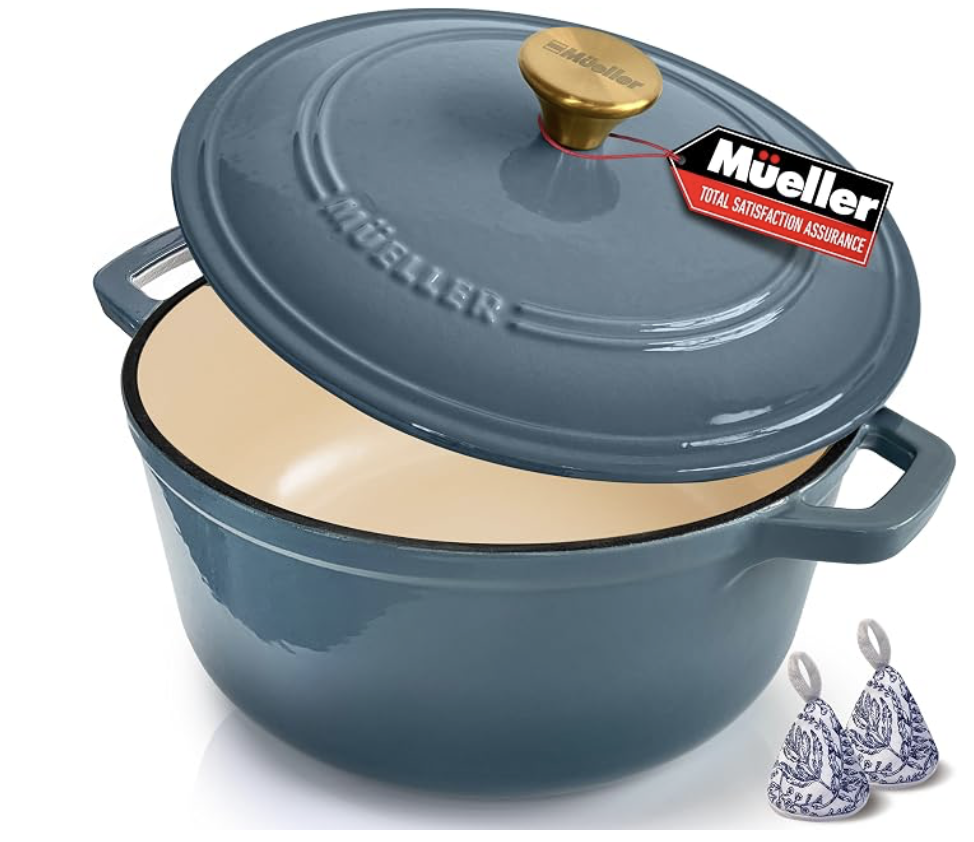
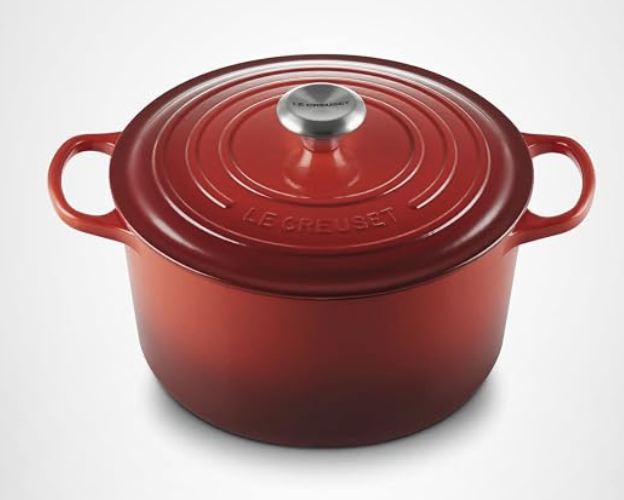
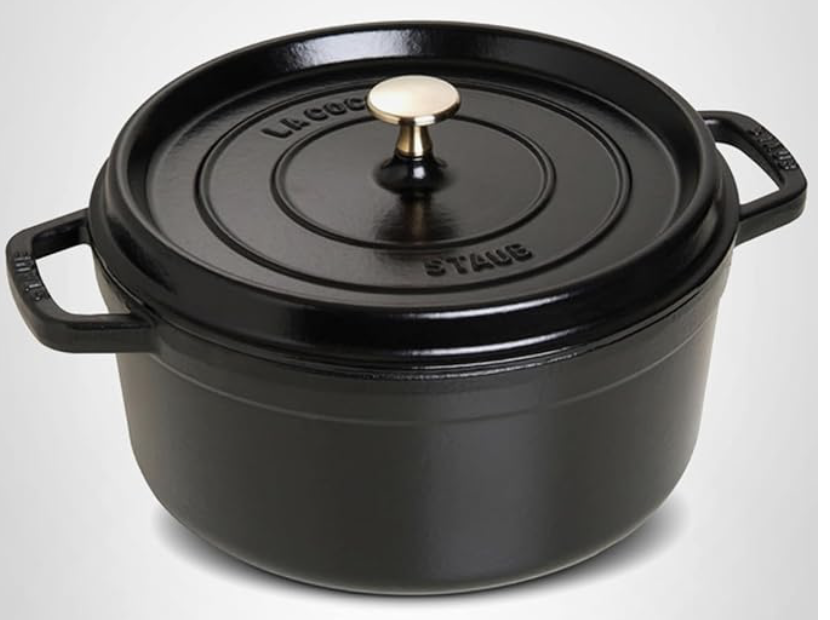
If you’re looking for the gold standard, it’s hard to beat Le Creuset. Their Dutch ovens have become heirloom pieces for good reason, and with proper care they’ll likely outlive you. Staub is another exceptional premium option that many professional chefs swear by.
For everyday cooking, however, I find myself reaching for my MÜELLERHOME 6-Quart Enameled Dutch Ovenmore often than anything else. It performs beautifully, bakes excellent bread, and has become my go-to pot for everything from tomato sauce to soups.
A quick note: If you’re looking for a blog that’s one long advertisement, this isn’t it. I’ll recommend products when I think they genuinely deserve it—even if they’re not mine. Some of the links you’ll find here are affiliate links, which means I may earn a small commission if you decide to make a purchase. That commission never determines what I recommend, and it never costs you anything extra.
My reputation is worth far more to me than any commission. If I wouldn’t recommend a product to my own family or use it in my own kitchen, you won’t find it here.
2. Stainless Steel Food Mill
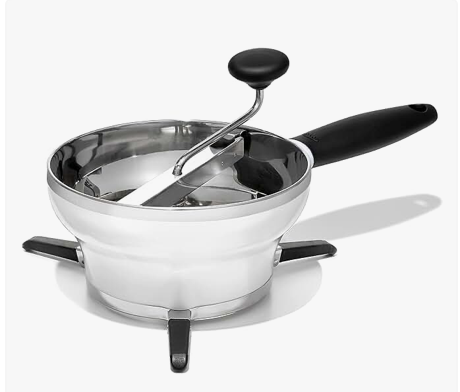
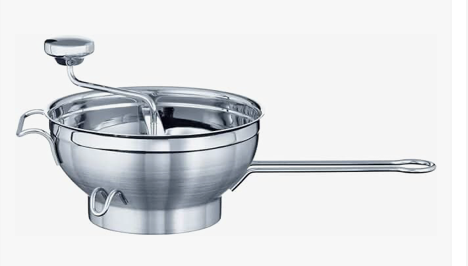
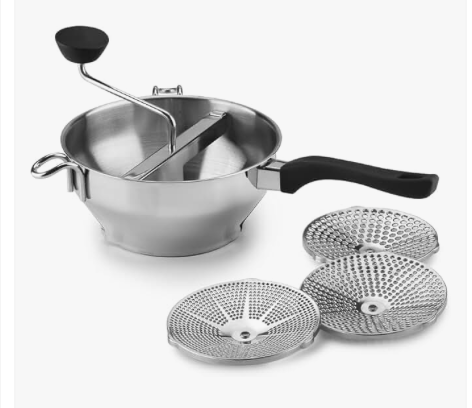
If you’ve never used a food mill, you’re missing one of the great traditions of Italian cooking. I use mine whenever I make tomato sauce from whole peeled tomatoes because it effortlessly separates the skins and seeds while producing a silky, smooth purée. It also does a wonderful job with mashed potatoes and applesauce, making it one of those old-fashioned tools that’s still hard to beat.
One quick warning, especially if there are young children nearby. The blade inside a food mill is much sharper than it looks. I know because I learned that lesson the hard way when I was four years old. My much older sister Josephine was making mashed potatoes and stopped turning the handle for just a moment. Naturally, I saw an opportunity to sneak a taste. She had no idea I had wandered up beside her and started cranking again, slicing my fingertip almost all the way through the nail. More than fifty years later, I still carry the reminder—you can see the scar in both my fingertip and the nail itself.
To be fair to Josephine, noticing her much younger brother wasn’t exactly high on her list of priorities back then. Thankfully, our relationship improved with age, maturity, and maybe a little less annoyance on both our parts. Today she’s one of my favorite people—but I still remind her every now and then that she nearly turned me into mashed potatoes.
The ones I trust
I’ve used food mills from OXO, Rösle, and Cuisinart, and I’d be happy cooking with any of them. If I were recommending just one to most people, I’d suggest the OXO because it strikes the best balance between quality, ease of use, and price. If you’re looking for a premium tool that may last a lifetime, Rösle is outstanding (a true work of art). Cuisinart offers excellent value and is a great choice for anyone just starting to build their kitchen.
3. Fine Zesting Grater
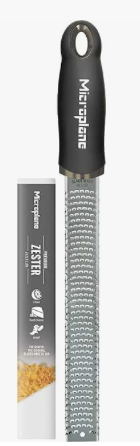
A fine zesting grater is one of those tools that quietly earns its place in the kitchen. While it’s perfect for adding fresh lemon or orange zest to a recipe, I probably use mine far more often for grating Parmigiano-Reggiano over pasta. It creates light, fluffy shavings that melt almost instantly and are a world apart from the pre-grated cheese you’ll find at the grocery store. I also use it to grate garlic into salad dressings and sauces, where it practically disappears into the dish.
One of my favorite uses is grating whole nutmeg. If you’ve only ever used the pre-ground version, you’re in for a pleasant surprise. Freshly grated nutmeg has a warm, fragrant aroma that’s much more vibrant and complex. I always add a little to my béchamel sauce, where it quietly enhances the flavor without taking center stage. It’s one of those small touches that makes people wonder why your sauce tastes just a little better.
One word of warning: these things are incredibly sharp. I once managed to grate part of my fingernail while grating cheese. Don’t worry—I didn’t serve it. At least I’m pretty sure I didn’t. Just treat it with a healthy dose of respect, and it’ll become one of the hardest-working little tools in your kitchen.
My Recommendation
I’ve only used one brand over the years, and I’ve never found a reason to switch. Microplane pioneered this style of grater, and in my experience, they still make the best. Mine has handled countless wedges of Parmigiano-Reggiano, cloves of garlic, lemons, and whole nutmeg without missing a beat. Sometimes the original really is the best.
4. Wooden Spoon
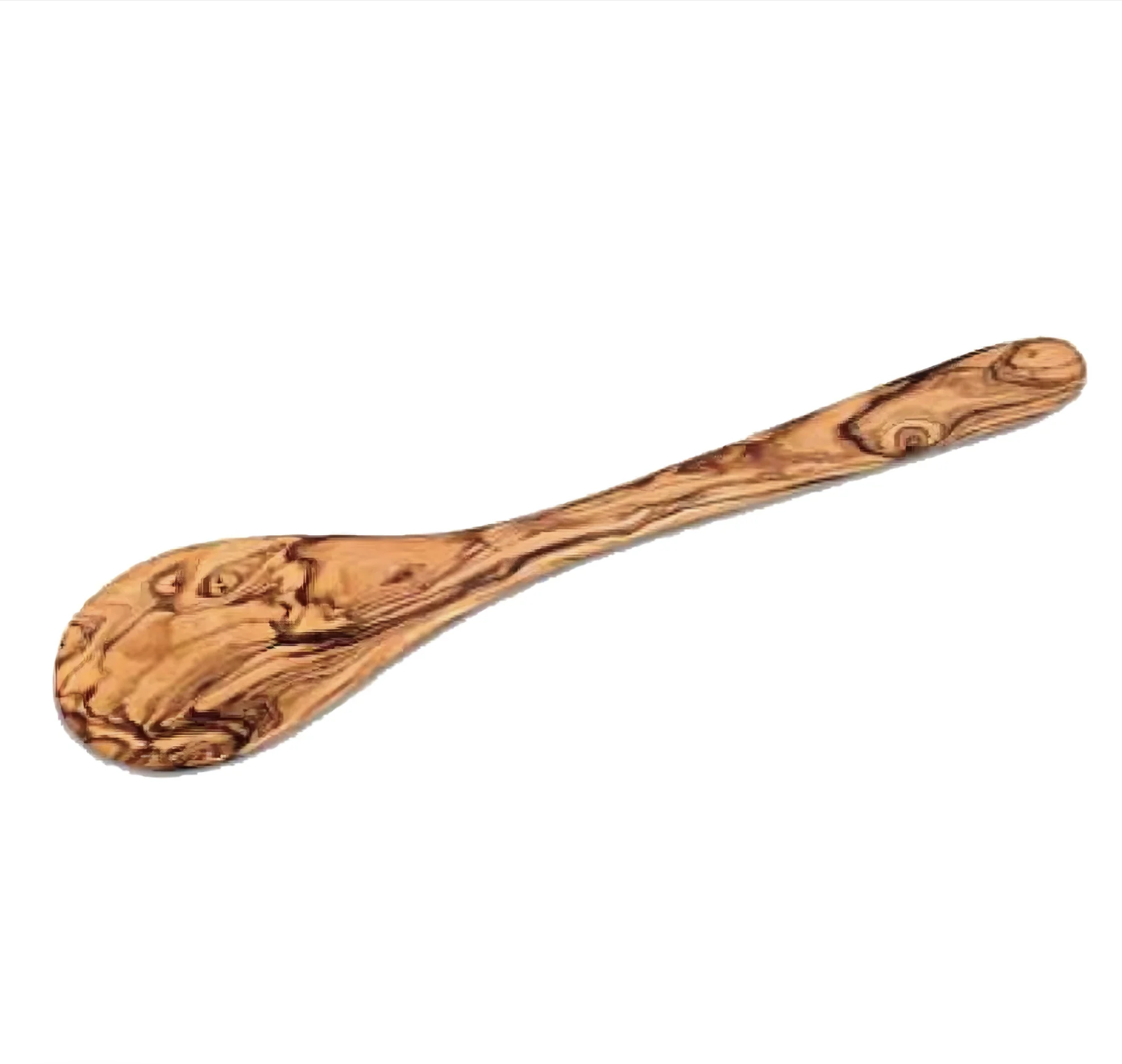
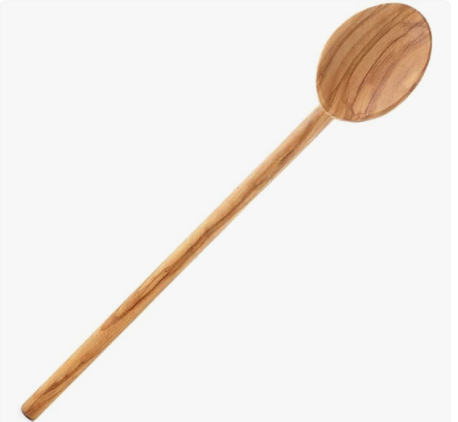
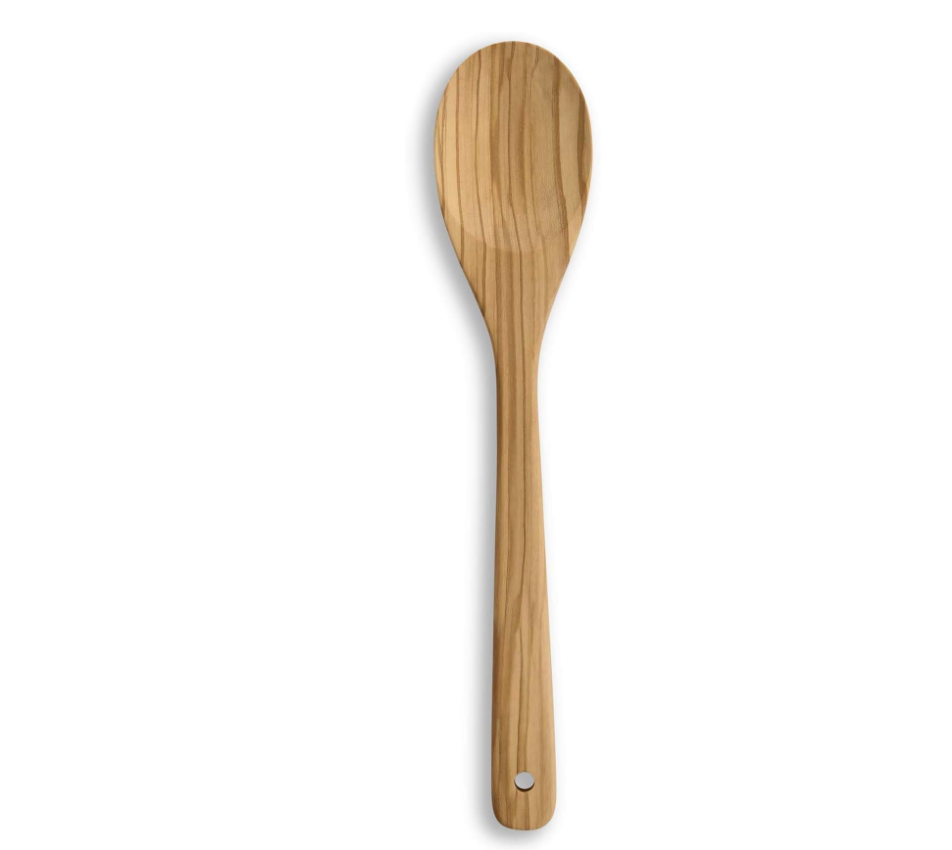
There are few kitchen tools more humble than a wooden spoon, yet I can’t imagine an Italian kitchen without one. Mine has stirred countless pots of Sunday tomato sauce, soups, risotto, and just about anything else that spends time simmering on the stove. It doesn’t scratch cookware, it feels natural in your hand, and unlike metal utensils, it never gets too hot to hold.
I have a theory about wooden spoons. I know there’s absolutely no scientific evidence to support it, but I swear they absorb a little bit of the love from every pot of sauce they’ve ever stirred. The older they get, the better the sauce seems to taste. Maybe it’s nostalgia, maybe it’s tradition, or maybe it’s just because every stain and every mark tells the story of another family meal shared around the table. Whatever the reason, if you have an old wooden spoon that’s been in your family for years, don’t throw it away. In some kitchen tools get replaced, but an old wooden spoon should get passed down..
Growing up in an Italian household, the wooden spoon had a reputation that extended well beyond cooking. Let’s just say it occasionally doubled as a disciplinary tool. (Josephine got acquainted with it, I did not. I was, of course, a perfect child.) Thankfully, we’ve evolved a bit since then, and today I recommend using it only for stirring tomato sauce.
Worth owning
Unlike many kitchen tools, I don’t think you need to spend a fortune on a wooden spoon. A solid piece of hardwood that’s comfortable in your hand will serve you well for years.
If you’re looking to splurge, take a look at a handcrafted olive wood spoon from DOLFI. They’re genuine works of art, carved from beautiful Italian olive wood with unique grain patterns. With proper care, it’s the kind of kitchen tool that can easily last a lifetime.
Personally, I’ve been using a Fante’s olive wood spoon for years and have been very happy with it. In fact, I have a DOLFI spoon on order as I write this. Shipping from Italy wasn’t exactly inexpensive, but I’ll let you know in a future post whether it lives up to my admittedly high expectations.
5. Chef’s Knife
If there’s one tool that touches almost every meal you make, it’s your chef’s knife. A sharp, well-balanced knife doesn’t just make cooking easier—it makes it safer. A dull knife requires more force, slips more easily, and usually causes far more accidents than a sharp one ever will.
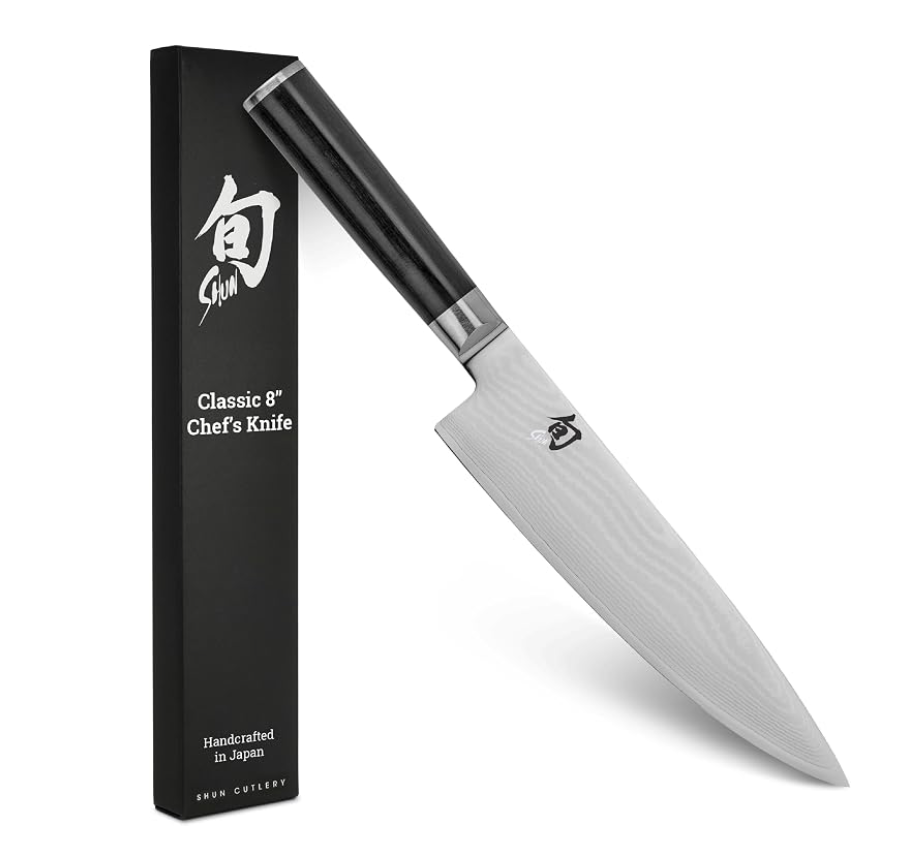
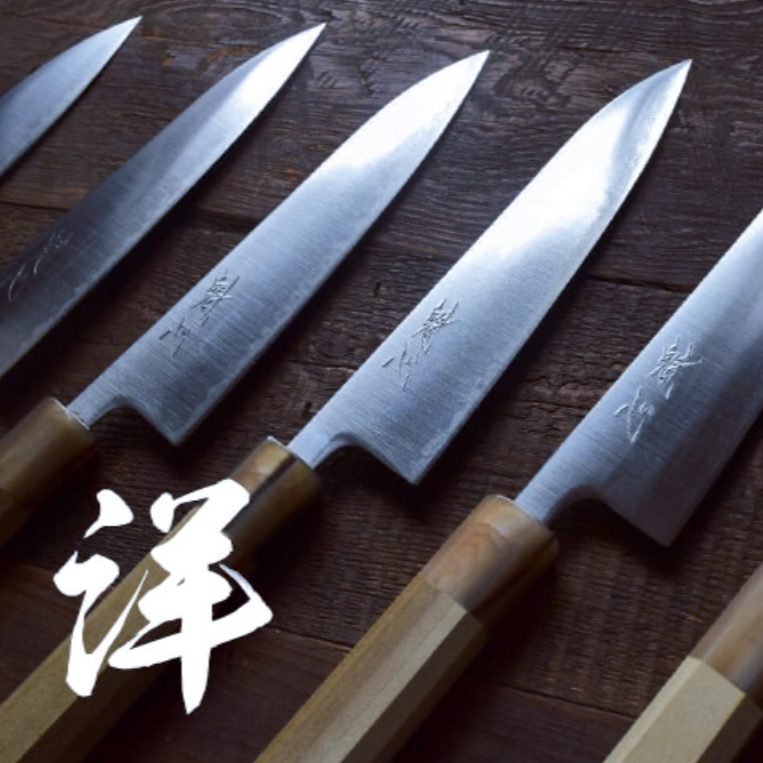
Over the years I’ve owned some wonderful knives. My collection includes Henckels, Wüsthof, and Shun, and I was even fortunate enough to have a knife custom made for me in Japan by a bladesmith named Nakamura. Every one of them has been a pleasure to cook with, and each has taught me to appreciate the craftsmanship that goes into a truly exceptional knife.
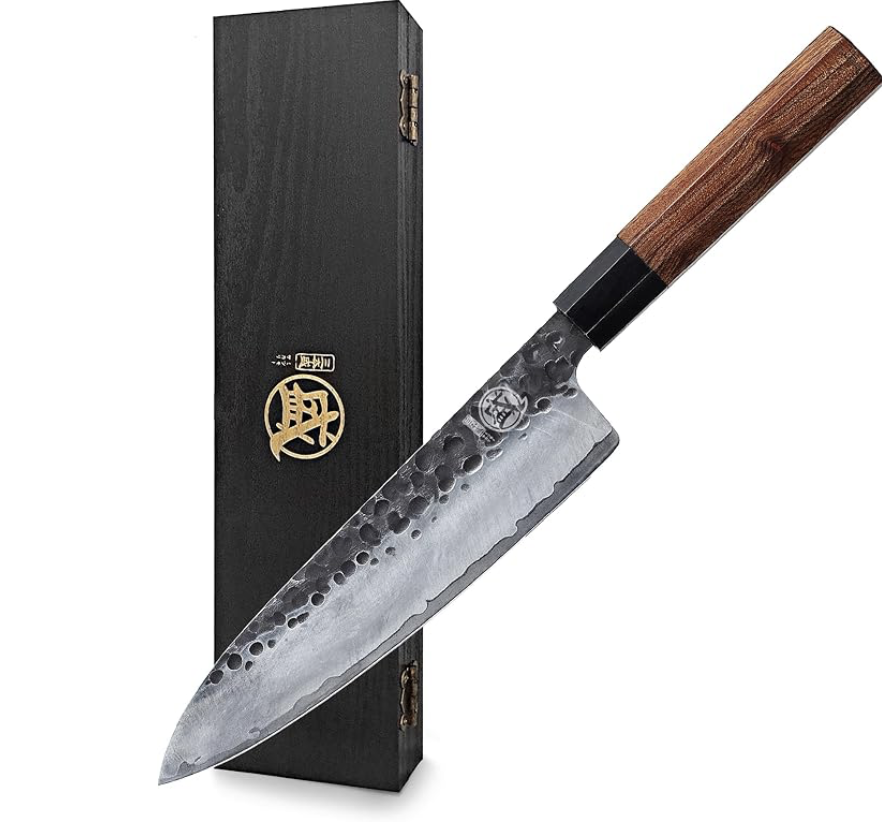
One thing I’ve also learned is that spending the most money isn’t always necessary to own a great knife. One of the best values I’ve come across is MITSUMOTO SAKARI. It may not have the same reputation as some of the legacy brands, but I’ve found it to be incredibly sharp, comfortable in the hand, and a remarkable value for the price. It’s the knife I find myself reaching for most often these days.
Whatever knife you choose, take care of it. Use a quality wooden cutting board, keep the blade sharp, and never toss it into a kitchen drawer where it can bang against other utensils. A good chef’s knife isn’t just another kitchen tool—it’s a companion that will help prepare thousands of meals over its lifetime.
My favorites
Over the years I’ve cooked with knives from Henckels, Wüsthof, Shun, and even a custom handcrafted knife by Japanese bladesmith Nakamura. Every one has been a pleasure to own and has taught me to appreciate exceptional craftsmanship.
If you’re looking for a premium production knife, Shun remains one of my favorites. If you want something truly extraordinary, Nakamura creates handcrafted knives that are as much works of art as they are kitchen tools.
For the best value I’ve found, I continue to recommend MITSUMOTO SAKARI. It doesn’t have the same name recognition as the legacy brands, but it has consistently impressed me with its sharpness, balance, and performance. It’s proof that you don’t always have to spend the most money to own an exceptional knife.
Look for Part 2 - coming soon!
In Part 2, I’ll share five more kitchen tools that have earned permanent residency in my kitchen—including one that has completely changed the way I cook pasta.